Dr. Julian Ashworth, MD Cosmetic & Medical Dermatology · Boston, MA
The Discipline of Looking
Dr. Julian Ashworth trained to find what's wrong. He built a practice around seeing what's right.
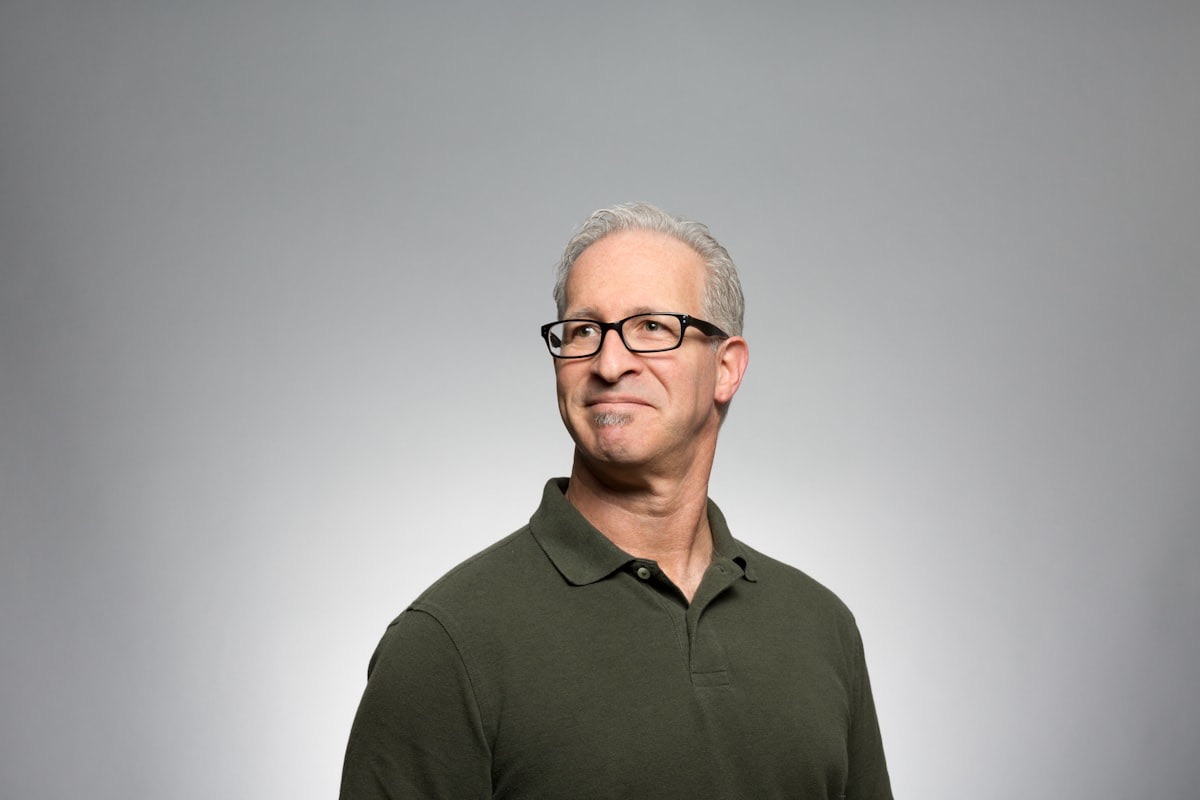
Dr. Julian Ashworth at his Back Bay office.
Julian Ashworth's hands were trained for cancer. His fellowship at Memorial Sloan Kettering was in procedural dermatology: removing skin cancers under a microscope, one layer at a time, margins measured in fractions of a millimeter. Miss a margin and the cancer returns. That training is the foundation of everything he does now, even though his practice in Boston's Back Bay is primarily cosmetic.
He describes the two as continuous, not opposed. The oncologic question is what to remove. The cosmetic question is what to preserve. "The margin for error is different," he says, "but it's just as thin. In oncology, a mistake means recurrence. In cosmetic work, a mistake is on someone's face, permanently, and they see it every morning."
The Eye Before the Hand
First visits at Ashworth's practice run forty-five minutes. A significant number of them end with him recommending less than the patient came in expecting, or nothing at all. "Half the people who sit in that chair asking for something specific actually need something else, or nothing," he says. "My job is to see the face clearly before I touch it. The discipline is in the looking, not the doing."
He is fellowship-trained in laser resurfacing, injectables, and the full range of procedural dermatology. He also maintains an active medical dermatology practice alongside the cosmetic work. The Sloan Kettering habit of measuring twice carries through all of it. He does not describe himself as conservative; he describes himself as precise.
Where the Precision Came From
Ashworth grew up in Marblehead, on the North Shore, the son of a cabinetmaker and a public librarian. His father's shop was the formative space: a place where a drawer front was remade if the grain didn't run right, where "good enough" did not survive contact with the workbench. He didn't know it would apply to medicine until his residency at Columbia, when he found that dermatology rewarded the same eye his father had trained. "My father could look at a joint and tell you whether it was a thirty-seconds of an inch off," he says. "I look at skin the same way."
The decision to leave surgical oncology for cosmetic practice was deliberate and, among his Sloan Kettering colleagues, surprising. He does not see it as a departure. The same hands, the same training, applied to a different question.
Life on the North Shore
Ashworth lives in Marblehead, twenty minutes from the Back Bay office, in the town where he grew up. He and his wife, Claire, a landscape architect, have a five-year-old daughter, Lily. The house is a 1920s shingled colonial they've been restoring for six years. "Claire handles the landscape. I handle the woodwork. We argue about the kitchen." He sails a J/24 out of Marblehead harbor most weekends in season, and runs an informal monthly reading group where Boston-area dermatologists review cases over dinner.
His father's cabinetmaking shop is still in the family. Ashworth uses it on winter weekends, building furniture with the same hand tools, the same unhurried attention to whether a joint sits right. The work takes longer than buying a table. He is not interested in the efficiency argument. "People ask why I bother," he says. "Same reason I don't rush a procedure. The point isn't speed. The point is that it's right."
Credentials
Independently verified- Specialty
- Dermatology (Cosmetic & Medical)
- Board certification
- American Board of Dermatology
- Medical school
- Perelman School of Medicine, University of Pennsylvania
- Residency
- Dermatology, New York-Presbyterian / Columbia
- Fellowship
- Procedural Dermatology, Memorial Sloan Kettering Cancer Center
- Professional memberships
- American Society for Dermatologic Surgery · American Academy of Dermatology
- Practice
- Ashworth Dermatology, Back Bay, Boston, MA
- Practicing since
- 2012
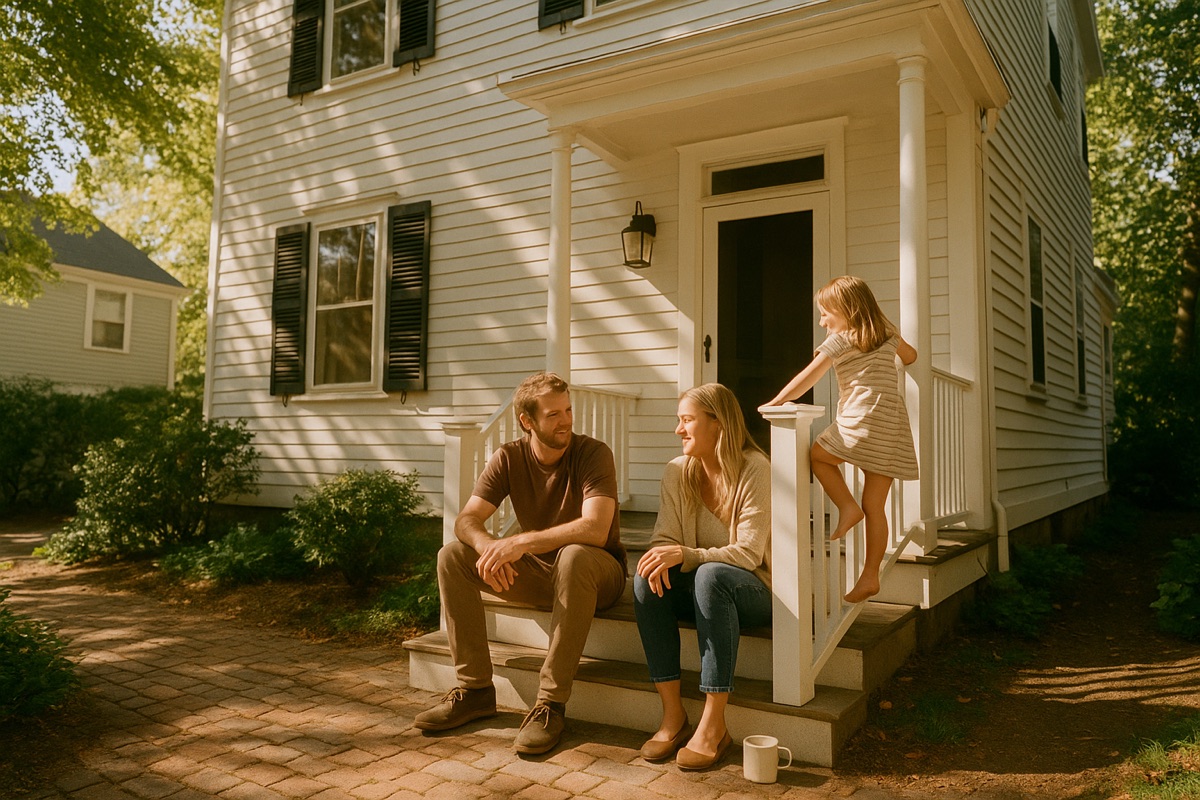
Saturday morning on the porch with Claire and their daughter Lily.